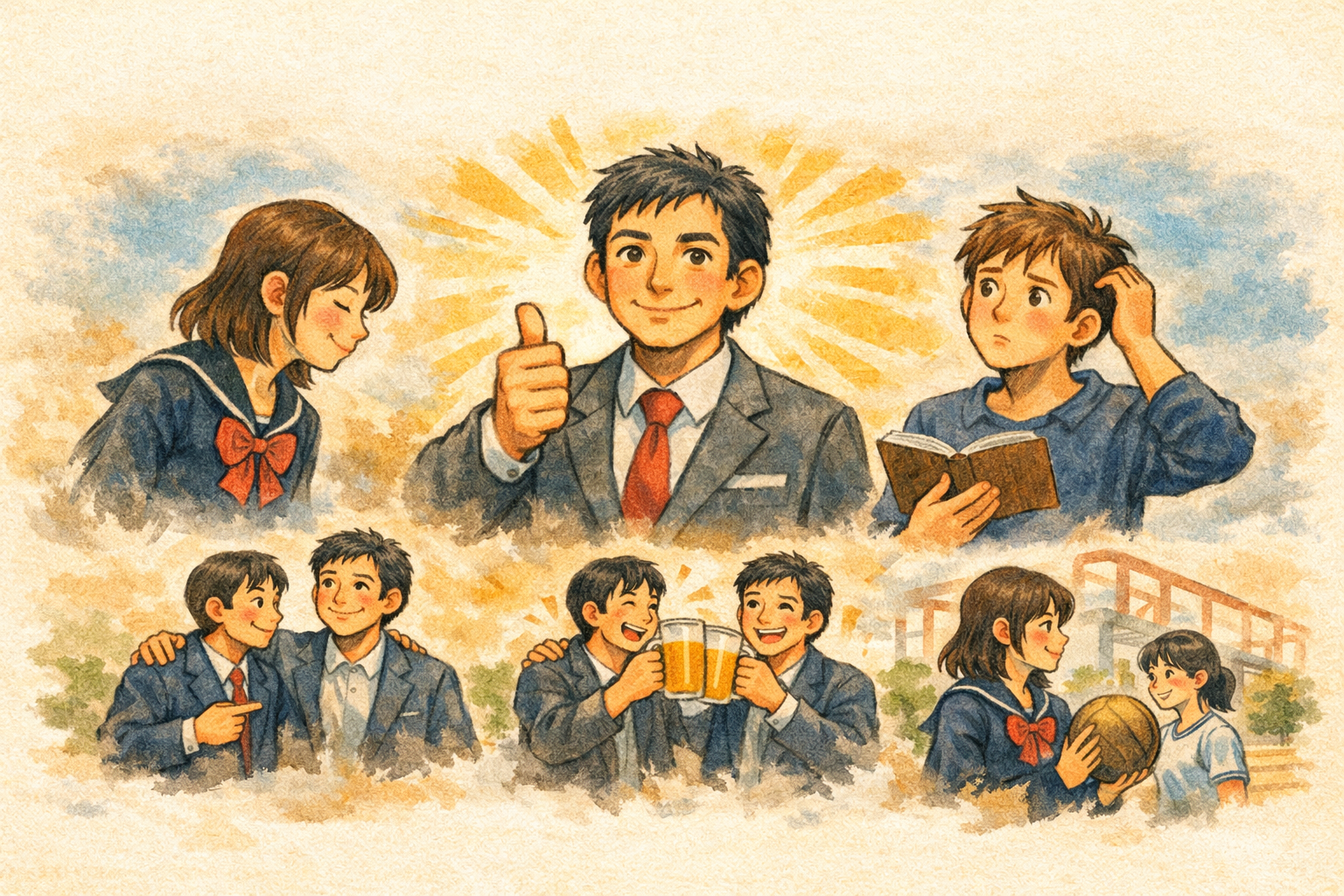
How I Use “Senpai” as a Japanese
Below is an example of a real situation where a Japanese person might use the word Senpai at work. In Japanese workplaces, it is common to call a more experienced, elder colleague Senpai to show respect and familiarity.
私:先輩!次のミーティングの会議室、301ルームですよね?
English: Senpai! The next meeting is in room 301, right?
先輩:そうだよ、発表資料は準備した?
English: That’s right. Did you prepare the presentation materials?
私:できています!さらに、映像および音声のチェックも完璧です!
English: Yes, I did! I’ve also completely checked the video and audio.
先輩:さすが、できる後輩だね。
English: As expected, you’re a capable junior.
私:まだSenpaiみたいにうまくプレゼンはできませんが、頑張ります!
English: I can’t present as well as you yet, Senpai, but I’ll do my best!
If you are learning about Japanese culture, you may have heard the word senpai in anime, school stories, or conversations about Japan. But what exactly does senpai meaning refer to?
In Japan, senpai (先輩) is a word used to describe someone who has more experience in a school, workplace, club, or group. It is an important concept in Japanese culture because it shows respect, hierarchy, and social relationships.
Depending on the culture of the company or group, people may call their seniors “○○ senpai” or “○○ san.” In other words, it is important to note that older people are not always called “senpai.”
In this article, we will explain what is senpai, how the senpai vs kohai relationship works, and how to use the word correctly in real life.
What Is Senpai?
The basic senpai meaning in Japan is a person who joined a group earlier or has more experience than you.
A senpai is not necessarily older in age. Instead, the key idea is experience or seniority within the same environment.
For example, a student who entered school one year before you is your senpai.

Recently, some people use “paisen” instead of “senpai,” but this can carry a slightly teasing or joking nuance.
For example, you might often hear something like:
“○○ paisen, otsukaresamadesu!”
This kind of expression can be used both from junior to senior and from senior to junior, but I would not recommend using it casually unless you understand the relationship and context well.
Common places where senpai relationships exist
- Schools
- Universities
- Sports teams
- Clubs
- Companies
- Martial arts dojos
The opposite of senpai is kohai (後輩), which refers to a junior member.
Senpai vs Kohai: Understanding the Relationship
The senpai vs kohai relationship is an important part of Japanese social structure.
People may call someone “○○ senpai,” but they would never call someone “○○ kouhai.”
For juniors, it is much more common to call them “○○-kun” or “○○-san.”
Role of a Senpai
A senpai is expected to:
- Guide younger members
- Teach skills and rules
- Offer advice
- Set a good example
Role of a Kohai
A kohai is expected to:
- Show respect
- Learn from their senpai
- Follow instructions
- Support the group
This relationship helps maintain harmony and structure in Japanese groups.
How to Use “Senpai” in Conversation
In Japan, people often use senpai as a title after someone’s name.
Example Sentences
Example 1
“Tanaka-senpai helped me with my homework.”
Example 2
“I joined the tennis club, and the senpai taught me how to practice.”
Example 3
“My senpai at work showed me how to use the system.”
Sometimes people also simply say:
“Senpai, can you help me?”
This shows respect toward the senior member.
Senpai in Japanese Schools
The senpai meaning in Japan is especially strong in schools and clubs.
For example:
- Older students teach new members
- Senpai lead club activities
- Kohai often help senpai prepare equipment
In sports clubs, kohai may also assist senpai by cleaning or organizing practice areas. This tradition teaches responsibility and teamwork.
Why Senpai Is Important in Japanese Culture
The senpai system reflects several key values in Japan:
Respect
Respect for experience and knowledge is highly valued.
Mentorship
Senpai guide younger members and help them grow.
Community
The relationship strengthens bonds within groups.
Because of this, the concept of senpai meaning is more than just “senior.” It represents a social system based on guidance and respect.
Senpai in Anime and Pop Culture
Many international fans learned the word senpai through Japanese anime and manga.
Characters often say phrases like:
“Notice me, senpai!”
In these cases, senpai usually refers to someone admired or respected, often a senior student.
However, in real life the word is used more naturally and respectfully in everyday relationships.
↓If you want to learn more words used in Japanese anime, Check It!↓


FAQ About Senpai Meaning
Can senpai be younger than you?
Yes. Age does not matter. Someone who joined earlier can still be your senpai even if they are younger.
But being called “senpai” by someone older than me feels a little awkward… haha.
Do foreigners use the word senpai in Japan?
Foreigners sometimes use it in schools, clubs, or workplaces in Japan. However, in many situations people simply use names with polite titles.
Conclusion
Understanding the senpai meaning in Japan helps you better understand Japanese society and relationships.
In the past in Japan, there was a strong belief that “senpai are absolute” and that “kouhai should never go against their senpai.”
However, in modern Japan, this way of thinking has become much less common, and mutual respect between both sides is considered more important.
If you visit Japan or study Japanese culture, recognizing this relationship will help you communicate and connect with people more naturally.
We have other articles related to politeness in Japan! Check them from below!


コメント